
The Herdman Brothers as Wise Men
The Best Christmas Pageant EverThis flow follows Leroy, Claude, and Ollie from claiming the visitors’ roles to offering the unexpected gift that becomes one of the pageant’s defining images.
increasing Bearing strength in each event
 decreasing
Bearing strength in each eventdecreasingA Family Claims the Roles
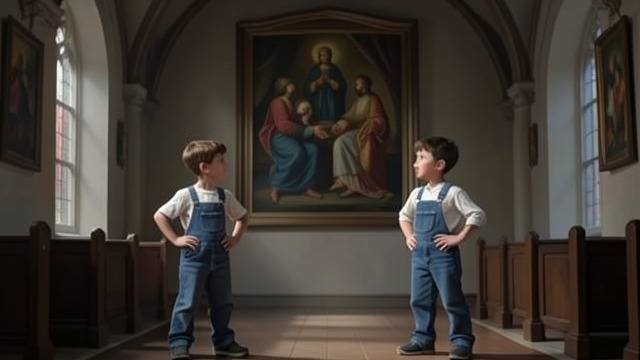
The Brothers Volunteer
An Unexpected Group
Leroy, Claude, and Ollie volunteer to play the Wise Men. Their choice fills roles that the usual participants might have left unclaimed.
Inclusion in Practice
The casting makes the boys members of the production rather than spectators to be managed. Their later questions show that they are trying to understand what the roles involve.
A Question about Kings
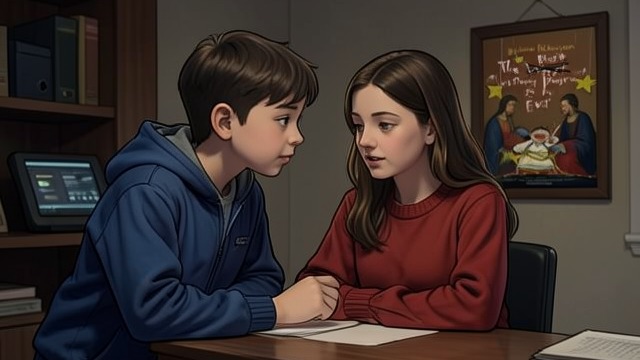
The Visitors Are Explained
Unfamiliar Titles
Ollie asks what Wise Men means, and Claude guesses that they are important rulers. The explanation gives the boys a basic framework for their assigned characters.
A Political Imagination
The brothers focus on authority and power, especially when they hear about Herod. Their interest will shape the way they interpret the visitors’ journey.
Anger at the Gifts
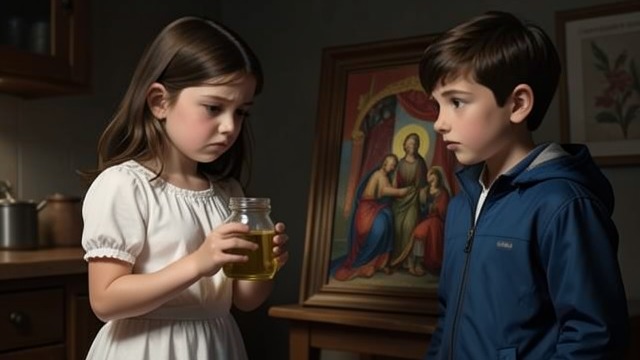
Perfume Seems Insufficient
A Practical Judgment
When the children hear about frankincense and myrrh, Imogene objects that oil seems like a poor gift. The boys absorb the idea that the visitors should bring something substantial.
An Alternative Takes Shape
Their material understanding of gifts leads away from the church’s decorative props. The eventual ham fits the family’s direct idea of what a useful present should be.
A Different Route Home
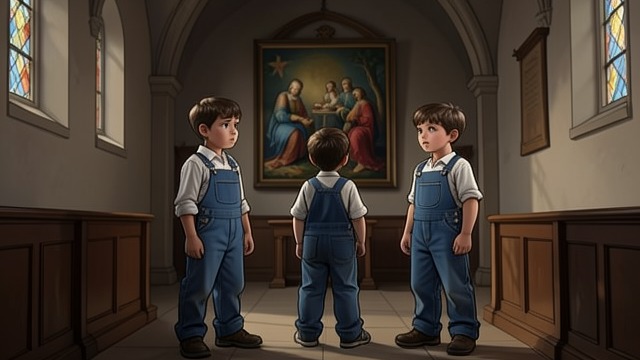
The Wise Men Question Their Assignment
A Dangerous Possibility
The boys consider whether the visitors could return to Herod and reveal where the child is. Their question makes the story’s threat feel real rather than ceremonial.
A Moral Choice
Ralph recognizes that such a report could endanger Jesus, and the Herdmans argue over what should happen. The role has become a problem of loyalty and protection.
The Ham at the Manger
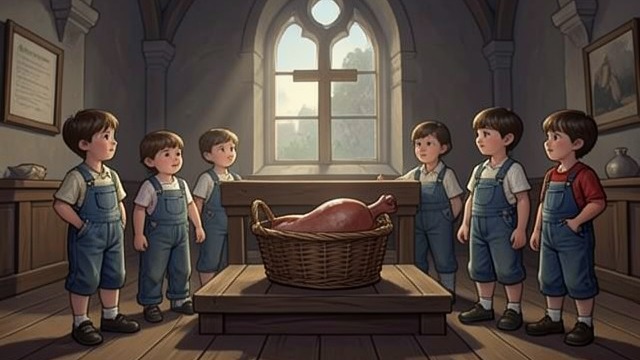
A Gift from Home
An Unexpected Offering
The brothers bring the family’s Christmas-basket ham and place it before the manger. It replaces the usual jars and turns the gift into something useful and personal.
A Changed Meaning
The ham demonstrates generosity from children not usually associated with giving. Their gesture helps the audience see the visitors as travelers who have brought what they can.
At the casting meeting
During the first rehearsal
As the rehearsal reaches the visitors’ gifts
During the last rehearsal discussions
During the visitors’ entrance on pageant night
